Boogie Soul: Injecting Psychedelic Groove into Modern Design
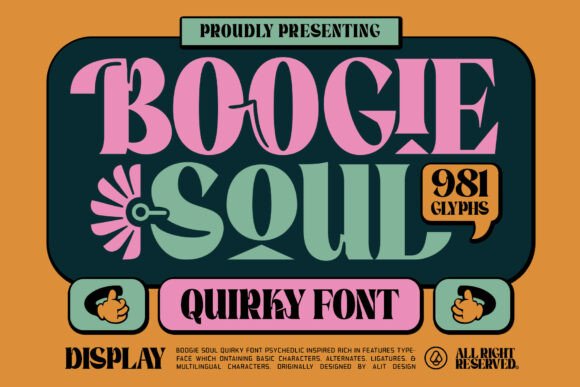
When a typeface does more than just spell words, it becomes an atmosphere. Boogie Soul is one of those rare typographic systems that doesn't just sit on the page; it demands to be heard. It captures a specific, vibrant intersection of history: the psychedelic swirl of the late 1960s colliding with the bold, funky confidence of the 1970s. For designers and brand builders, this isn't just a retro novelty. It's a sophisticated display font built with high-contrast strokes and liquid, flowing curves that bridge the gap between vintage nostalgia and modern eccentricity.
If you've ever struggled to find a typeface that communicates energy, personality, and a touch of rebellion without looking like a Halloween costume, Boogie Soul offers a compelling solution. It’s a creative tool designed to make your visual identity perform.
Beyond Basic Letterforms: The Anatomy of the Groove
At first glance, you notice the style. But the real value in this premium font lies in its versatility. Too many decorative typefaces are "one-trick ponies"—you use them once, and they become recognizable immediately. Boogie Soul avoids this pitfall through sheer volume of assets. With nearly 1,000 glyphs, you are working with a complete design system.
The font utilizes extensive OpenType features, specifically Stylistic Sets (SS01 through SS10). This allows you to completely alter the personality of the text with a single click. You can choose standard characters for a bold, legible retro vibe, or switch to sets that introduce interior swirls, floral motifs, and experimental swashes. This capability is vital for logo design and brand identity, where uniqueness is paramount. You can spell out a brand name ten different ways, ensuring the final mark is truly one-of-a-kind.
Furthermore, the inclusion of matching dingbats and illustrations—ranging from mascots to psychedelic flowers—means you aren't just buying letters. You are acquiring a cohesive visual language. These design assets allow you to build out packaging design or social media graphics that feel unified, as if the font and the art were born together (because they were).
Strategic Applications: Where Boogie Soul Shines
Understanding where to deploy a creative font like this is key to its success. Because it is a display typeface, it is not intended for long-form body copy. Its high-contrast strokes and quirky detailing are optimized for impact, not for reading dense paragraphs. Here is how to leverage it effectively across different mediums:
- Editorial and Publishing: Use Boogie Soul for drop caps, pull quotes, or feature article headlines in magazines and blogs. It immediately signals a shift in tone—perfect for articles about music, culture, art, or lifestyle trends.
- Merchandise and Streetwear: The aesthetic fits perfectly with the current resurgence of 70s fashion. It works exceptionally well on t-shirts, tote bags, and hats where the text needs to be readable from a distance but stylistic enough to be desirable.
- Digital and Web Design: In the realm of web design, use it for hero banners or event headers. It adds an immediate "human" touch to digital interfaces that often feel sterile. However, ensure you optimize the file size, as complex vector paths can be heavy.
- Album Art and Posters: This is the font’s natural habitat. For musicians, bands, or event promoters, the font does half the marketing work for you, instantly evoking the energy of live performance and artistic expression.
Visual Hierarchy and Brand Perception
A typeface is a silent ambassador for your brand. Choosing Boogie Soul sends a specific psychological signal to your audience. It suggests that a brand is approachable, fun, creative, and perhaps a little rebellious. It breaks the mold of corporate stiffness.
When building a visual hierarchy, this font acts as the "shout." Because of its ornate nature, it pairs beautifully with clean, neutral typefaces. A common mistake is pairing a psychedelic font with another complex script font or a heavy serif font. Instead, look for a geometric sans serif font or a clean modern typography staple for your subheadings and body text. This contrast allows Boogie Soul to grab attention without causing visual clutter.
For readability, the rule of thumb is size. This typeface demands space to breathe. When used too small, the intricate details of the "Soul" curves will blur together, turning your elegant headline into a muddy mess. Always test your layouts at the intended viewing size. If you are designing a billboard, the swashes are a benefit. If you are designing a business card, you might want to stick to the simpler Stylistic Sets.
Practical Guide to Implementation
Before you commit this font to a major campaign, take the time to explore the toolbox. Download the specimen sheet and test the different Stylistic Sets. You might find that Set 03 offers the exact vibe you want for a specific project, while Set 08 is better suited for another.
Licensing is another critical consideration. If you are a small business owner or entrepreneur planning to use this for merchandise (print-on-demand or physical goods), ensure your license covers commercial use for the volume of products you intend to sell. Most premium font licenses distinguish between digital use (web/app) and physical use (goods for sale).
Finally, consider the medium of the text. On screen, the high contrast works well, but in print—especially on uncoated paper or cardboard—ink spread can cause fine lines to fill in. If you are doing packaging design for rough materials, you may need to adjust the tracking (letter spacing) slightly to maintain legibility.
Boogie Soul is more than just a nod to the past; it is a functional, high-energy tool for the present. It empowers content creators, marketers, and crafters to step out of the safe zone of Helvetica and Times New Roman and inject genuine personality into their work. When used with intention, it doesn't just decorate a page—it sets the mood and gets the audience moving.