Capturing Childhood’s Heart with Children Empathy
In the vast world of typography, finding a typeface that genuinely evokes emotion can feel like searching for a needle in a haystack. We often look for the perfect balance between legibility and personality, but when the goal is to communicate innocence and connection, standard geometric sans serifs or rigid serifs often fall flat. This is where the unique power of a specialized handwritten font comes into play. Children Empathy is not just a collection of vector paths; it is a design asset engineered to bridge the gap between professional branding and genuine human warmth. It captures the sweet, unpolished spirit of childhood, making it an invaluable tool for anyone looking to infuse their work with kindness and inclusivity.
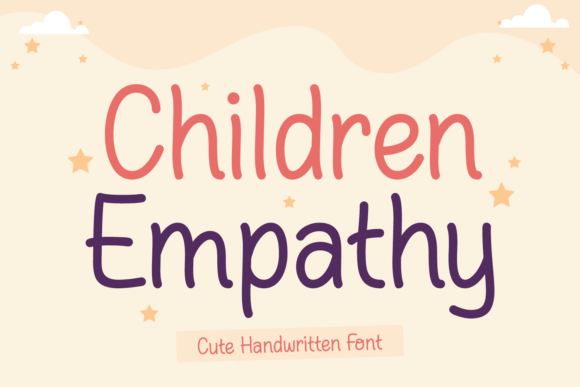
Visually, Children Empathy distinguishes itself through a friendly, organic aesthetic. Unlike generic script fonts that can sometimes appear overly formal or cursive, this typeface embraces a casual, approachable style reminiscent of a child’s careful handwriting or a parent’s loving note. The letterforms are designed with soft edges and a natural flow that guides the eye gently across the page. It avoids the stiffness of traditional typography, opting instead for a rhythm that feels spontaneous yet legible. This balance is crucial. When you are working on projects aimed at children or family audiences, the typography needs to feel accessible rather than intimidating. Children Empathy achieves this by maintaining a consistent baseline while allowing individual characters to express subtle variations, creating a texture that feels alive.
Strategic Applications for Modern Creators
For designers, marketers, and entrepreneurs, the practical application of a font determines its value. Children Empathy shines brightest in contexts where emotional resonance is the primary goal. If you are developing a brand identity for a non-profit organization focused on youth support or mental health, this font instantly communicates empathy and safety. It tells the audience, "We are here to listen," before they even read a single sentence of your mission statement. This psychological impact is vital for building trust in sectors where compassion is a key differentiator.
In the realm of publishing, specifically editorial design and children’s book titles, the typeface serves as a visual hook. A cover needs to promise a certain experience, and a handwritten font like this suggests a story filled with heart, adventure, or comfort. However, the utility extends far beyond print. In web design and social media graphics, standing out in a cluttered feed requires a personal touch. Using Children Empathy for Instagram quotes, parenting blogs, or educational YouTube thumbnails can significantly increase engagement. It cuts through the cold, algorithmic nature of digital spaces by reintroducing a human element. For packaging design, particularly for artisanal goods, organic snacks, or educational toys, this typeface helps position the product as thoughtful and high-quality, steering the brand away from mass-produced sterility.
Integrating Typography with Purpose
One of the most common challenges in modern typography is hierarchy. How do you pair a display font with body copy without creating visual chaos? Because Children Empathy is a display font with a strong personality, it requires careful pairing. It works best when contrasted with a clean, neutral typeface. A simple sans serif font or a highly legible serif font for your body text will allow the headers set in Children Empathy to pop without overwhelming the reader. This contrast creates a dynamic visual hierarchy that directs the user’s attention exactly where you want it—whether that’s a call to action on a landing page or a chapter heading in a book.
Consider the psychological impact on your audience. When a user encounters a design that feels "human," they are more likely to engage with the content. This is a core principle of effective brand identity. A brand that looks too corporate might struggle to connect with a community looking for support or education. By utilizing a premium font like Children Empathy, you signal that your brand values connection over corporate rigidity. It is a subtle cue that enhances brand recognition and fosters a sense of loyalty among your audience.
Practical Tips for Implementation and Pairing
When integrating this creative font into your workflow, testing is essential. Typography does not exist in a vacuum; it interacts with colors, imagery, and whitespace. I recommend testing Children Empathy at various sizes. As a display font, it excels in larger sizes where its details can be appreciated. However, depending on the specific weight or style included in the package, it may also work for short bursts of body text or pull quotes, provided the background provides enough contrast.
Here are a few practical recommendations for pairing and usage:
- For Educational Posters: Pair Children Empathy with a rounded sans serif font. The combination of two friendly typefaces creates an environment that feels safe and conducive to learning.
- For Nursery Decor: Use the font in isolation against a soft, pastel background. The handwritten font style acts as both text and illustration, adding a decorative element to the room.
- For Marketing Materials: Combine the font with high-quality photography of real people. The handwritten nature of the text will blend seamlessly with the authenticity of the photos, enhancing the emotional impact of the campaign.
Furthermore, always pay attention to licensing. Since this is a commercial font, ensure your specific usage—whether for a client’s logo design, merchandise, or digital ads—is covered by the license you purchase. This professional diligence protects both you and your clients and ensures that the design assets you use are legally sound.
Refining Your Visual Message
Ultimately, the goal of using a typeface like Children Empathy is to spread a message of warmth. It is about moving away from generic design and toward something that feels personal and intentional. Whether you are a small business owner creating a new line of greeting cards or a blogger redesigning your website, the fonts you choose speak volumes about your values.
By selecting a handwritten font that prioritizes empathy, you are making a conscious choice to be inclusive and kind in your visual communication. It transforms a simple header into a welcoming embrace. It turns a standard product label into a promise of care. In a market that is often saturated with aggressive marketing and cold minimalism, choosing a font that radiates joy and innocence is a powerful strategic move. It invites your audience in, encourages them to stay, and leaves them with a lingering feeling of connection.