Obsidian: The Futuristic Sans Serif for Bold Projects
More Than Just a Font: Understanding the Obsidian Aesthetic
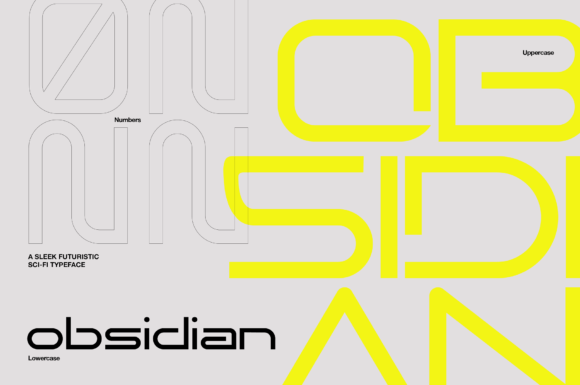
When you first encounter the Obsidian typeface, the immediate impression is one of precision and forward momentum. This isn't a font that whispers; it speaks with clarity and confidence. As a sci-fi sans display font, Obsidian draws its personality from the clean lines of modern technology and the sleek silhouettes of futuristic design. It avoids unnecessary ornamentation, focusing instead on geometric balance and sharp, decisive strokes. The result is a typeface that feels both minimal and incredibly strong. It’s the kind of premium font that commands attention in a headline without resorting to visual noise.
The visual characteristics of Obsidian are defined by its open apertures and consistent stroke width, which contribute to its clean, minimal appearance. It doesn't have the quirky terminals of a script font or the organic feel of a handwritten font. Instead, it offers a polished, engineered look. This makes it an absolute workhorse for designers who need a creative font that is ready to perform right out of the box. Whether you are setting a title for a tech blog or creating a hero banner for a new app, Obsidian provides a solid foundation that feels contemporary and professional.
Where Obsidian Truly Shines: From Branding to Digital Interfaces
One of the most valuable aspects of this sans serif font is its versatility across different media. In the realm of brand identity, Obsidian excels at creating a perception of innovation and reliability. Think about logo design for a new software startup or a high-end electronics brand. The font’s geometric structure helps build a visual system that is easy to recognize and scale. It translates beautifully from a massive billboard to a tiny favicon on a browser tab, maintaining its legibility and impact at every size.
For those working in editorial design and publishing, Obsidian offers a refreshing alternative to standard corporate typefaces. It works exceptionally well for magazine covers, chapter headings in non-fiction books, or the layout of a modern portfolio. When paired with a classic serif font for body text, it creates a dynamic contrast that guides the reader’s eye naturally. This kind of font pairing establishes a clear visual hierarchy, making the content easier to scan and more enjoyable to consume.
Digital creators will find Obsidian particularly useful for web design and social media graphics. On platforms like Instagram or LinkedIn, where users scroll quickly, a bold, clear header can stop the scroll. Obsidian provides that necessary punch. It is equally effective for UI elements in web design, such as navigation menus or call-to-action buttons, where immediate readability is crucial. The font’s futuristic vibe also makes it a perfect fit for gaming channels, tech reviews, or science-related content.
Practical Application: Making Obsidian Work for Your Specific Needs
Choosing the right typeface involves more than just picking one that looks good in isolation; it requires evaluating how it fits into your broader project goals. If you are working on packaging design, for example, consider how Obsidian interacts with your product’s physical form. A skincare brand aiming for a "clinical and clean" aesthetic might use Obsidian for the product name to emphasize purity and scientific backing. Its sharp edges contrast well with soft product photography, creating a balanced visual experience.
When integrating Obsidian into your design assets, pay attention to spacing. Because it is a geometric display font, it often benefits from slightly looser letter-spacing (tracking) in all-caps settings. This small adjustment can elevate the typography from standard to sophisticated, enhancing the overall professionalism of your layout. Always test your typography in context; a headline that looks perfect on a white artboard might need weight adjustments when placed over a busy background image in a poster or a video thumbnail.
It is also worth noting the licensing and practicalities of using a commercial font. Obsidian is built for professional use, meaning it is optimized for performance across various operating systems and software. This reliability is essential for businesses that need consistency. Whether you are a freelancer delivering assets to a client or a small business owner managing your own marketing, knowing that your typeface will render correctly everywhere provides peace of mind.
Strategic Typography: Using Obsidian to Influence Perception
Typography is a silent ambassador for your brand. The fonts you choose send subconscious signals to your audience. By selecting a futuristic and clean typeface like Obsidian, you are signaling that your brand is forward-thinking, organized, and detail-oriented. This is particularly relevant for entrepreneurs in the tech space or creatives working in modern typography. It moves the visual language away from the rustic or traditional and toward the innovative.
Consider the user experience on a website. Headers set in Obsidian can break up content effectively, making long articles feel more manageable. This improves the visual hierarchy, helping visitors find the information they need without feeling overwhelmed. In apparel design or merchandise, Obsidian works well for slogans or brand names that need to be read from a distance, such as on tote bags or t-shirts. Its high-contrast nature ensures that the message remains clear, regardless of the medium.
Ultimately, Obsidian is a tool for those who want to make a statement without shouting. It is a stunning addition to any designer's toolkit, offering a blend of aesthetic appeal and practical utility. Whether you are refreshing a corporate identity, launching a new product line, or designing a personal blog, this font provides the structural integrity and stylistic flair needed to create memorable, engaging visual content. It proves that you don't need complex decorations to achieve a high-end look; sometimes, the most powerful designs are the most refined.