Pop Rock: Capturing Concert Energy in Every Letterform
There's a specific kind of energy that hits you at a live music venue, right when the lights go down and the first chord rings out. It’s a mix of anticipation, power, and pure, unadulterated enthusiasm. Translating that kinetic feeling into a static design is a challenge, but it’s precisely what the Pop Rock typeface achieves. This isn't just another display font; it’s a visual amplifier. For designers, entrepreneurs, and content creators looking to inject a sense of electrifying performance into their work, Pop Rock offers a bold, unmissable voice that resonates with the spirit of rock 'n' roll.
The Anatomy of an Anthem: Visual Characteristics of Pop Rock
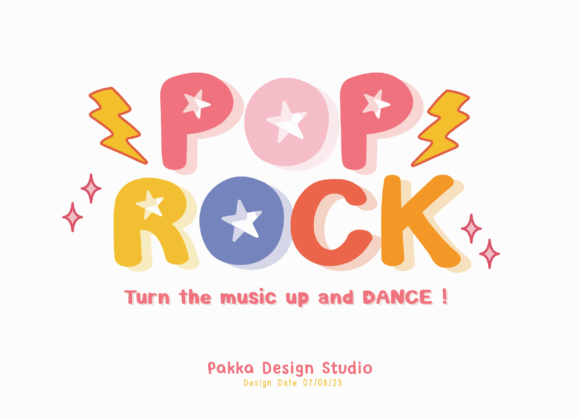
At its core, Pop Rock is defined by its confidence. The letterforms are constructed with substantial weight, giving them a sturdy, grounded presence that refuses to be ignored. Think of the thick, powerful strokes of a guitarist's power chords translated into typography. The characters stand tall and strong, often featuring subtle quirks or energetic terminals that prevent the bold style font from feeling rigid or corporate. It carries a rhythm within its structure—the spacing and shape of each letter echo the driving beat of a catchy pop-punk anthem.
Unlike a traditional serif font that might feel too formal, or a delicate script font that whispers, Pop Rock belts out its message. It captures the excitement of a rock concert through its visual weight and dynamic angles. The personality of this typeface is unmistakably youthful and vibrant, yet it maintains a level of modern typography that keeps it from looking dated. It is the typographic equivalent of a distorted guitar riff—memorable, impactful, and full of character.
Striking the Right Chord: Where Pop Rock Shines
Choosing the right creative font is less about following trends and more about matching the tool to the task. Pop Rock excels in environments where you need to grab attention immediately and convey high energy. It is a fantastic choice for packaging design, particularly for products targeting a younger demographic or those in the entertainment and lifestyle sectors. Imagine this typeface on a snack box, a beverage label, or a music festival poster; it immediately sets a tone of fun and excitement.
For brand identity, Pop Rock works beautifully for brands that want to appear approachable, energetic, and bold. It’s particularly effective for:
- Logo Design: Creating wordmarks that are instantly recognizable and possess a strong visual hierarchy.
- Social Media Graphics: In the fast-scrolling world of digital feeds, this font stops the thumb. It ensures your message is readable even on small screens.
- Editorial Design: Perfect for magazine covers, feature headlines, or blog headers related to music, kids' entertainment, or active lifestyles.
- Merchandise: The bold strokes of Pop Rock hold up exceptionally well on T-shirts, tote bags, and stickers.
While it is a powerhouse for display purposes, it is equally at home in web design for hero sections and call-to-action buttons where you want to drive user engagement. However, its strength lies in its ability to act as a visual anchor, so pairing it wisely is key to maintaining a balanced layout.
Mastering the Mix: Practical Guidance for Using Pop Rock
Integrating a premium font like Pop Rock into your workflow requires a bit of finesse. Because it is a bold style font with high visual impact, it can easily overwhelm a design if overused. The golden rule here is hierarchy. Use Pop Rock for your headlines, titles, and pull quotes to create focal points, but switch to a clean sans serif font or a highly legible body copy typeface for longer paragraphs. This contrast ensures readability while allowing Pop Rock to do what it does best: grab attention.
Evaluating Font Pairings and Legibility
When testing font pairing, look for a partner that complements rather than competes. A geometric sans serif often works well, providing a neutral canvas that lets the personality of Pop Rock pop. Avoid pairing it with other decorative or handwritten font styles, as this can create visual clutter and confuse the viewer's eye.
Readability is another crucial factor. While Pop Rock is designed to be legible at larger sizes typical of display usage, always test your typography in context. Check the kerning and tracking, especially if you are using all-caps settings. Ensure that the "energy" of the font doesn't compromise the clarity of the message. If you are using it for web design, verify that the design assets render crisply across different browsers and devices.
Licensing and Project Fit
Before finalizing your choice, review the licensing terms. As a commercial font, Pop Rock comes with specific usage rights. Whether you are a freelancer working on a logo design for a client or a publisher creating editorial design assets, ensure the license covers your intended use, including digital and print mediums. Most premium font providers offer clear documentation on this, but it’s a step that shouldn't be skipped.
Ultimately, Pop Rock is more than just a typeface; it’s a design asset that brings a specific mood to your project. It’s for the creator who wants their work to feel alive, energetic, and bold. By applying it thoughtfully, you can harness the musical energy of this font to create designs that truly resonate with your audience, much like the enduring appeal of a classic pop rock anthem.