Yelena: The Font Bridging Retro Charm and Modern Pop Art
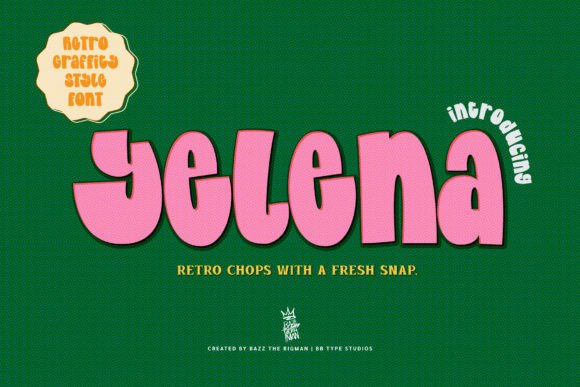
There's a particular challenge in branding that many face: how do you create something that feels both nostalgic and fresh, playful yet professional? The answer often lies in the details, and typography is one of the most powerful details at your disposal. Yelena is a typeface designed to navigate that exact space. It's not merely a collection of letters; it's a crafted visual voice that draws from the bold, graphic energy of pop art and the groovy, optimistic curves of retro design. Think of it as the typographic equivalent of a vintage band poster reimagined with today's crisp digital clarity.
Visual Character: More Than Just a Pretty Face
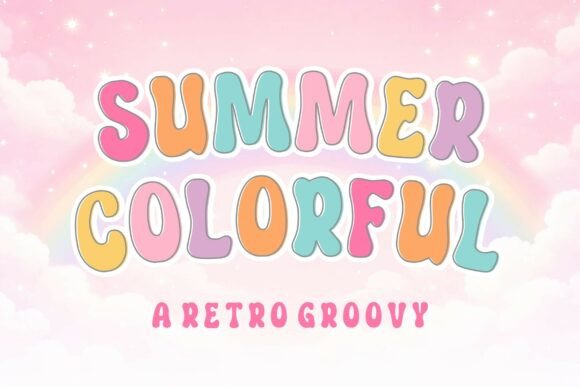
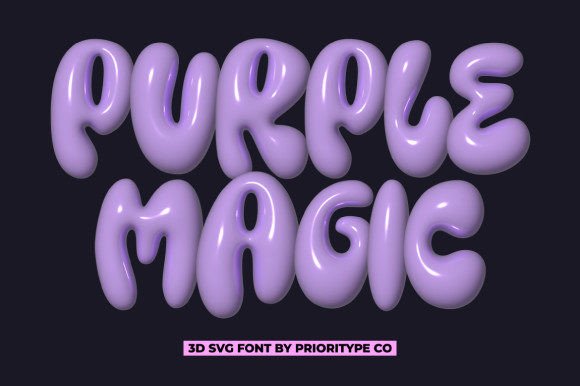
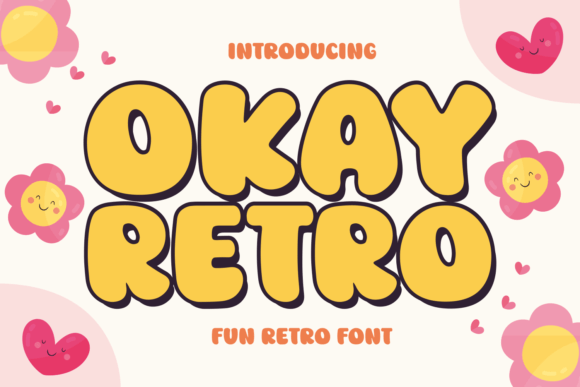
At first glance, Yelena's personality is unmistakable. Its forms are chunky and confident, with a weight that commands attention without feeling heavy or cumbersome. The curves are vivacious and intentional, giving each character a sense of movement and warmth. This isn't a sterile, geometric sans serif font. It has an inherent bubbly character—a softness in its rounded terminals and slightly inflated forms that makes it approachable and full of charisma. Yet, it maintains a strong, structured skeleton that ensures legibility and presence. This duality is key: Yelena can feel playful and fun in one context, and bold and empowering in another. It’s a premium font that understands the value of personality in design.
As a display font, Yelena excels at making a statement. Its strength is in headlines, logos, and short, impactful text blocks where its unique character can shine. It’s not the font you'd choose for a 300-page novel, but it is the perfect creative font for the title on that novel's cover, for the chapter headings, or for a pull quote that needs to stop a reader in their tracks. When considering font pairing, Yelena works beautifully with clean, neutral companions. A simple, geometric sans serif font or a classic serif font can provide a calm, readable foundation for body text, allowing Yelena's expressive nature to anchor the hierarchy without causing visual chaos. This balance is crucial for maintaining professionalism while injecting personality.
Practical Applications: Where Yelena Truly Shines
Understanding where a font like Yelena fits best is about recognizing its strengths. Its bold presence and friendly demeanor make it a versatile design asset across numerous projects. For packaging design, especially in the beauty, food, or lifestyle sectors, Yelena can instantly convey a product's vibe. Imagine it on a vibrant label for artisanal soda, a playful box for children's toys, or a chic, retro-inspired container for a cosmetics line. The font does much of the communicative heavy lifting, suggesting the product's personality before a single word is read.
In the realm of brand identity, particularly for businesses targeting a female audience or those with a creative, optimistic ethos, Yelena is a strong contender. It can form the core of a logo design for a boutique studio, a wellness brand, or an online store selling handmade goods. Its multilingual support also makes it a practical choice for brands with an international audience, ensuring consistent brand perception across different markets. For entrepreneurs, especially women building personal brands, using Yelena in social media graphics, presentation slides, or merchandise can help create a distinctive and memorable visual language that feels both professional and authentically "you."
Beyond commercial use, its applications in editorial design and web design are specific but impactful. Use it for magazine covers, blog post titles, website hero sections, or call-to-action buttons where you need a burst of energy. In the digital space, its clear letterforms ensure readability on screens when used at appropriate sizes, making it suitable for impactful web banners or app interfaces. For social media graphics, where grabbing attention is paramount, Yelena is a natural fit. It can make quote graphics pop, add personality to promotional posts, and help establish a recognizable style in a crowded feed. It’s also a fantastic choice for distinctive stickers, greeting cards, and other craft projects where a handcrafted yet polished feel is desired.
Making the Decision: A Practical Guide
Choosing any font, especially a commercial font, requires a practical evaluation. Start by defining the project's core message and audience. Is the goal to feel whimsical, strong, nostalgic, or modern? Yelena sits at a specific intersection, so ensure that intersection aligns with your brief. Next, test the font pairings rigorously. Don't just look at "Yelena" next to "Helvetica" in a preview. Set real headlines and subheadings. See how the weights and styles interact. Does the visual hierarchy feel natural? Does the body text remain comfortable to read for longer paragraphs?
Review the full font family. A good typeface often comes with multiple weights or styles. Does Yelena have a regular, bold, or italic variant that could add nuance to your designs? Check the commercial licensing terms carefully. Understand what the license covers—does it allow for use on websites, in apps, on merchandise, and in logos? Ensure it fits your project's scope, whether personal or commercial. Finally, conduct a readability check. Set some text in your intended medium—on a printed mockup, on a phone screen, on a product label at a small size. While designed for display, its forms should remain clear and legible at the sizes you plan to use.
Yelena isn't a universal solution, and no font is. It won't be the right choice for a corporate law firm's annual report or a medical journal. But for projects that need to communicate with energy, warmth, and a touch of retro-modern flair, it is an exceptionally strong contender. It’s a tool for designers, marketers, and creators who understand that typography is not just about setting words, but about setting a tone. By choosing Yelena, you're not just selecting letters; you're adopting a visual language designed to engage and delight.