Timeless Elegance: Mastering Old English Blackletter Font
When you see it, you know it. The dramatic, high-contrast strokes and the intricate, almost architectural forms of Old English Blackletter font evoke a specific, powerful feeling. It’s a typeface that doesn’t just communicate words; it communicates an era, a mood, a certain grandeur. For designers, entrepreneurs, and creators, understanding how to wield this classic blackletter style is about more than just picking a cool font—it’s about tapping into centuries of visual history to add instant weight and sophistication to a project.
More Than Just "Gothic": The Visual Language of Old English
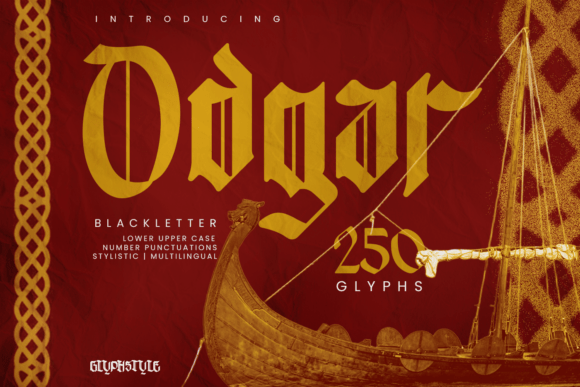
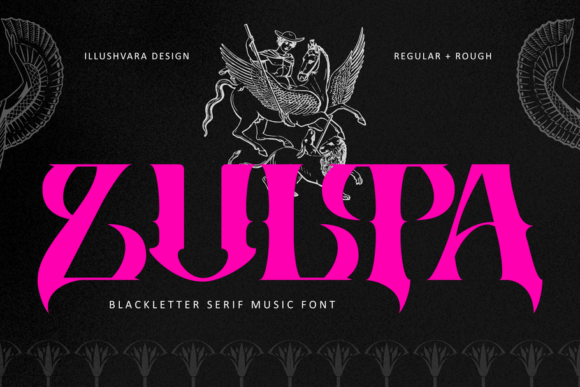
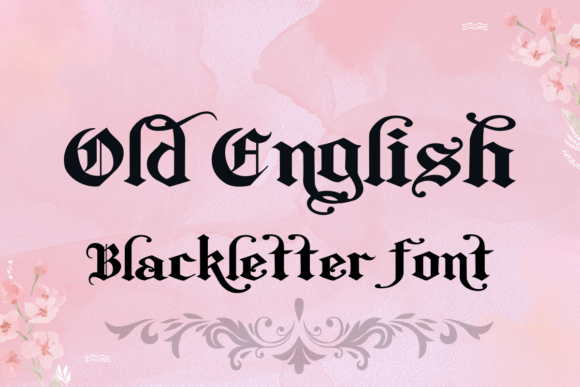
At its core, Old English is a serif font with roots in medieval calligraphy. Its characters are built from bold, vertical strokes and sharp, angular joints, often resembling carved wood or stone. The defining features are the ornate, diamond-shaped terminals (the ends of letters) and the complex, interlocking nature of the letterforms. This isn't a font for body text; it's a display font, designed to make a statement in headlines, logos, and short, impactful phrases. Its personality is one of tradition, authority, and a touch of the dramatic. Think of the masthead of a historic newspaper, the title page of a classic novel, or the emblem of a prestigious institution. It carries an inherent sense of legacy and craftsmanship.
The appeal lies in this contrast. In a world dominated by clean modern typography and minimalist sans serif fonts, Old English offers a rich, tactile alternative. It doesn’t just sit on the page; it demands attention. This makes it a powerful tool for creating visual hierarchy. A single line set in Old English can anchor a design, drawing the eye and setting the tone before a single word of the supporting serif font or sans serif font is read. It’s a creative font that instantly adds depth and a narrative quality to any design asset.
Strategic Applications: Where Old English Truly Shines
The key to using Old English effectively is matching its personality to your project’s goals. It’s not a universal solution, but in the right context, it’s unbeatable.
For Branding & Identity: This is where Old English excels. A law firm, a luxury whiskey brand, a high-end barbershop, or a heritage clothing line can use it in their logo design to instantly communicate tradition, quality, and exclusivity. It builds a brand identity that feels established and trustworthy. However, a tech startup or a children’s toy company would find it a poor fit, as the historical connotations would clash with their core message of innovation or playfulness.
In Print & Editorial Design: The font is a staple in editorial design for a reason. It’s perfect for chapter headings in fantasy novels, title cards for historical documentaries, or the header of a gourmet food magazine seeking a rustic, artisanal feel. For packaging design, especially for products like craft beer, artisanal coffee, or specialty foods, an Old English typeface can suggest a time-honored recipe or a small-batch process. It adds perceived value and a story to the product on the shelf.
Digital & Social Media: While readability on screens requires careful consideration, Old English can be a standout in web design for hero section headlines or in social media graphics for announcements that need to feel important—like a product drop, a milestone celebration, or a premium webinar. Use it sparingly for maximum impact. A single, well-placed word in Old English against a clean background can stop the scroll far more effectively than a paragraph set in the font.
Personal & Commercial Projects: Beyond the professional sphere, this premium font is invaluable for personal creations. Think elegant wedding invitations, formal certificates, awards, or custom signage. For crafters and hobbyists, it’s a go-to for creating custom t-shirt designs, posters, and vinyl decals with a vintage or gothic theme. The key is recognizing that its strength is in display font applications, not long-form reading.
Practical Guidance: Choosing and Using Old English Wisely
Adopting a font like Old English into your toolkit requires a thoughtful approach. Here’s how to evaluate and implement it successfully.
Assess the Project Fit: Before you even download the font, ask: What is the core emotion or message of this project? Does it need to feel timeless, authoritative, or luxurious? If yes, Old English is a strong candidate. If the project calls for clarity, simplicity, or a futuristic vibe, look elsewhere. This initial filter will save you hours of frustration.
Master the Font Pairing: This is critical. Old English is a high-drama display font and should almost never be used for body copy. Pair it with a highly readable companion. A classic serif font like Garamond or Baskerville can create a harmonious, traditional feel. For a sharper, more contemporary contrast, pair it with a clean sans serif font like Helvetica or Open Sans. Avoid pairing it with other ornate fonts like a script font or handwritten font, as this will create visual chaos. Let Old English be the solo star of the typographic show.
Evaluate the Font Package: A quality commercial font will often include more than just the standard letters. Look for Old English fonts that come with a full character set, including numbers, punctuation, and extended Latin characters. Some premium versions include stylistic alternates or ligatures—special character combinations that can make your text look even more authentic and polished. Always check the licensing to ensure it covers your intended use, whether for a client’s logo, merchandise, or a digital product.
Prioritize Readability: Because of its intricate details, Old English can be challenging to read at small sizes or on low-resolution screens. Use it at larger point sizes where its craftsmanship can be appreciated. In web design, ensure there is sufficient contrast against the background. For social media, test how the font renders on mobile devices. If the letters start to blur into an unreadable blob, scale up or simplify. Its power is in its form, not in setting dense paragraphs.
Ultimately, Old English Blackletter is more than a creative font—it’s a design strategy. It’s a tool for injecting history, seriousness, and a distinct visual voice into your work. By respecting its origins and applying it with intention, you can leverage this iconic typeface to create designs that are not only beautiful but also deeply resonant and memorable. It’s about adding that touch of vintage sophistication and grandeur that transforms a good project into an exceptional one.