Zulta Music: Gothic Power for Modern Branding
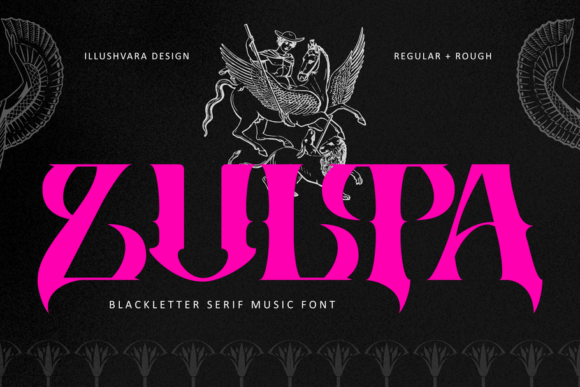
When you are working on a project that needs to command attention immediately, standard typography often falls short. If you are designing for the heavy music scene, a vintage motorcycle club, or a modern streetwear brand, you need a typeface that carries weight and history. This is where Zulta Music enters the conversation. It is a bold blackletter font family that bridges the gap between medieval sharpness and aggressive, modern aesthetics. Unlike generic blackletter fonts that can feel dated or hard to read, this specific typeface brings a powerful gothic energy through sharp serif allcaps. It is designed specifically to capture the raw, underground vibe of metal and hardcore culture while maintaining a level of elegance suitable for professional design assets.
The Visual Character: Sharp Serifs and Rough Textures
Understanding the visual DNA of Zulta Music helps you decide if it fits your project’s brand identity. At its core, this is a display font, meaning it is intended for headlines, logos, and large-scale text rather than body copy. The design features dramatic letterforms that rely on sharp, aggressive angles. You will notice strong vertical stress and heavy strokes, which are hallmarks of traditional Gothic script, but Zulta Music modernizes these elements with clean, high-contrast rendering.
The font family includes two distinct styles: Regular and Rough. The Regular style offers a pristine, vector-ready look with crisp edges, making it perfect for metallic textures or foil effects in packaging design. The Rough style, however, adds a layer of grit. It includes textured details that mimic worn ink, distressed paper, or screen-printing errors. This texture is crucial for achieving that "underground" aesthetic. It gives the typography a handmade, organic feel that digital perfection often lacks. If you are creating a vintage band poster or merchandise, the Rough style saves you hours of post-processing because the distress is already built into the letterforms.
Practical Applications: From Album Covers to Branding
One of the most common mistakes in graphic design is using a heavy display font in the wrong context. Zulta Music shines brightest when the goal is impact. Here is where this typeface works best across various creative projects:
- Band Merchandise and Album Covers: This is the natural home for Zulta Music. The sharp serifs and allcaps structure evoke the heavy metal and hardcore scenes instantly. It works exceptionally well on t-shirt designs, patches, and album artwork where readability at a distance is key.
- Festival Branding: Music festivals need visual hierarchy that works on both mobile screens and massive stage banners. This font provides the necessary scale and drama to anchor a festival's visual identity.
- Logo Design: For entrepreneurs in the beard care, tattoo, or streetwear industries, a blackletter font can serve as a strong foundation for a logo. The vintage influences in Zulta Music provide a sense of heritage and craftsmanship.
- Social Media Graphics: In the fast-scrolling environment of Instagram or TikTok, you have milliseconds to grab attention. A bold, textured header using Zulta Music can stop the scroll and establish a mood immediately.
- Packaging Design: Craft breweries and hot sauce brands often leverage gothic typography to suggest potency and tradition. Using the Regular style here ensures the packaging looks premium on the shelf.
Influencing Audience Perception and Visual Hierarchy
Typography does more than spell out words; it shapes how an audience feels about your content. Choosing Zulta Music influences brand perception by signaling strength, rebellion, and intensity. It creates a visual hierarchy that prioritizes the headline above all else. Because the letterforms are so distinct, they create high recognition value. Once a customer sees a Zulta Music headline, they associate that visual style with a specific type of energy.
However, readability requires careful management. Because this is a blackletter-inspired font, some characters can blend together if used at small sizes or in long sentences. This is why it is best used for short, punchy phrases. For example, use it for the band name on an album cover, but switch to a clean sans serif font for the tracklist. This contrast not only ensures the text is legible but also strengthens the design by creating a clear distinction between primary and secondary information.
Strategic Implementation: Pairing and Licensing
To get the most out of this premium font, you need to think about font pairing. Zulta Music demands a complementary partner that doesn't compete for attention. Avoid pairing it with other decorative, script, or handwritten fonts, as this will result in visual chaos. Instead, look for a neutral sans serif font or a simple serif font. A geometric sans serif, for instance, provides a clean, modern counterpoint to Zulta Music's historical roots. This balance is essential for modern typography, where mixing eras is a popular trend but must be executed with precision.
Before finalizing your design, take advantage of the font's versatility. Test the Regular style against the Rough style to see which texture best fits your specific medium. The Rough version often looks better on physical products like fabric or cardboard, while the Regular version is cleaner for digital screens. Additionally, always verify the commercial licensing. Since Zulta Music is a professional design asset, ensure your license covers your intended use, whether that is a single client project, merchandise for sale, or a digital template. Checking these details ensures your project remains professional and legally compliant, allowing you to focus entirely on the creative process.