Retro Block: The Slab Serif with Serious Vintage Charm
If you've been searching for a typeface that carries the bold confidence of mid-century design with a distinctly playful edge, Retro Block deserves a spot on your shortlist. This retro slab font brings a sense of warmth and personality to professional projects without sacrificing the clarity that branding work demands. It's the kind of font that makes people pause, smile, and remember what they saw.
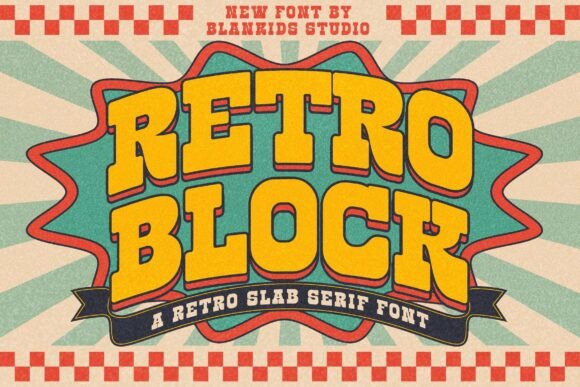
What makes Retro Block stand out in a crowded field of display fonts is its ability to feel both nostalgic and fresh at the same time. Each letterform has been crafted with a retro sensibility that nods to vintage signage, classic poster art, and the golden age of print advertising. Yet it doesn't feel like a museum piece. The playful retro style design across every letter gives it a contemporary energy that works beautifully in modern branding contexts.
Understanding the Visual DNA of Retro Block
Retro Block is a slab serif typeface, which means its letterforms feature thick, block-like serifs that add weight and presence. But unlike some slab serif fonts that can feel rigid or industrial, Retro Block injects personality into every curve and corner. The slightly rounded edges soften the bold geometry, creating a friendly and approachable tone that feels inviting rather than aggressive.
The overall character of the font leans into a vintage aesthetic without being overly literal about any specific era. You won't find yourself locked into a strict 1950s or 1970s vibe. Instead, Retro Block captures a timeless retro quality that can adapt to different creative directions depending on the context, color palette, and supporting design elements you choose.
This versatility is a genuine strength. A premium font like Retro Block works as a creative font precisely because it carries a strong visual identity while remaining flexible enough to support different brand voices. Whether you're designing for a craft brewery, a boutique clothing label, a podcast cover, or a community event, the font's personality can be steered to match the mood you need.
Where Retro Block Truly Shines
Let's talk about real-world applications, because that's where any font earns its place in your toolkit. Retro Block performs exceptionally well in logo design, where its bold slab structure and playful retro style create instant visual recognition. Logotypes set in Retro Block have a strong shelf presence. They read well at different sizes and carry enough personality to become the foundation of a memorable brand identity.
For packaging design, this typeface is a natural fit. Think about the shelf of a specialty grocery store or the display at a craft market. Products that use bold, characterful typography tend to catch the eye from a distance. Retro Block gives packaging that kind of magnetic quality. It works particularly well for food and beverage branding, artisan goods, and any product that wants to communicate authenticity and craftsmanship.
Poster design and promotional materials are another area where Retro Block excels. Its display font qualities mean it commands attention at larger scales, making it ideal for event posters, sale announcements, and marketing collateral. The font's inherent energy adds visual interest to layouts without requiring excessive design embellishment around it.
In the digital space, Retro Block brings character to social media graphics, blog headers, and web design elements. Content creators and bloggers looking for a typeface that helps their visuals stand out in crowded feeds will appreciate how the font's retro personality creates scroll-stopping moments. It pairs especially well with clean sans serif fonts for body text, creating a visual hierarchy that feels balanced and intentional.
Practical Considerations for Choosing This Typeface
Before committing to any commercial font for a project, it's worth taking a methodical approach to evaluation. Start by considering your audience. Retro Block appeals to a broad demographic, but its retro sensibility tends to resonate particularly well with adults who appreciate vintage aesthetics, craft culture, and brands with a distinct personality. If your target audience skews toward minimalism or ultra-modern design, you'll want to test whether the font's character aligns with their expectations.
Readability is always a consideration with display fonts, and Retro Block handles this well for its intended use cases. It's designed for headlines, logos, and short text passages rather than long-form body copy. Use it where it performs best, large and prominent, and pair it with a more neutral serif font or sans serif font for extended reading. This kind of font pairing creates a professional and polished look while keeping the overall design accessible.
Take time to explore the full range of styles and weights included with the font family. Many premium font packages offer multiple variations that expand your creative options significantly. Having access to different weights, condensed versions, or alternate character sets gives you more flexibility when building out a complete brand identity across different touchpoints, from business cards to billboard-scale signage.
Building a Consistent Brand with Retro Block
Consistency is one of the most underrated aspects of effective branding, and choosing the right typeface plays a central role in achieving it. When Retro Block becomes part of your brand identity toolkit, it creates a visual thread that ties together your logo, marketing materials, editorial design, and digital presence. People begin to associate that particular typographic voice with your brand, which strengthens recognition over time.
For small business owners and entrepreneurs, investing in a well-crafted commercial font like Retro Block can elevate the perceived professionalism of everything you produce. There's a noticeable difference between projects that rely on overused free fonts and those that use thoughtfully chosen design assets. Your audience may not consciously identify the font, but they'll sense the quality and intention behind your visual communication.
One practical recommendation: create a simple style guide that documents how you use Retro Block across your projects. Note which sizes, colors, and contexts work best. Record which font pairings you've tested and which combinations deliver the strongest results. This kind of documentation saves time, maintains consistency, and ensures that anyone working on your brand materials can replicate the look you've established.
Ultimately, Retro Block is a typeface that rewards thoughtful use. It brings genuine personality to professional design work, offers the versatility needed across diverse applications, and carries the kind of visual charm that makes brands feel human and approachable. For designers, marketers, and creative professionals looking for a reliable display font with retro character, it's a solid addition to any font library.