Rustline: A Slab Serif for Bold Branding and Vintage Projects
There’s a particular weight to the typography of the American West—a no-nonsense, carved-in-stone quality that commands attention. Rustline captures that specific, rugged energy. It’s a premium font built on the foundation of classic slab serif design, yet it carries the distinct, weathered personality of vintage poster art. If you’ve been searching for a typeface that feels sturdy, authentic, and deeply rooted in history without looking like a dusty relic, this is a strong contender.
The Visual Personality: More Than Just Thick Strokes
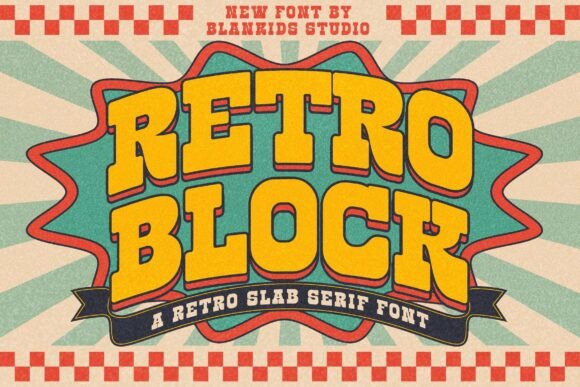
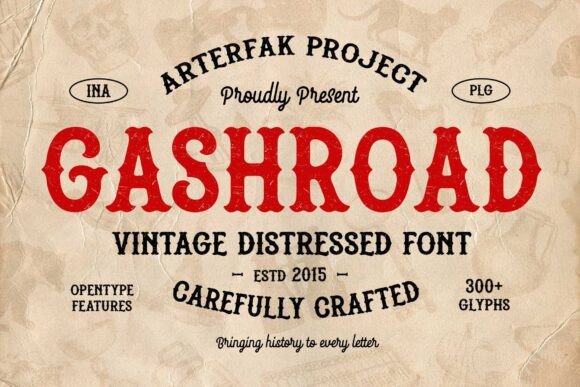
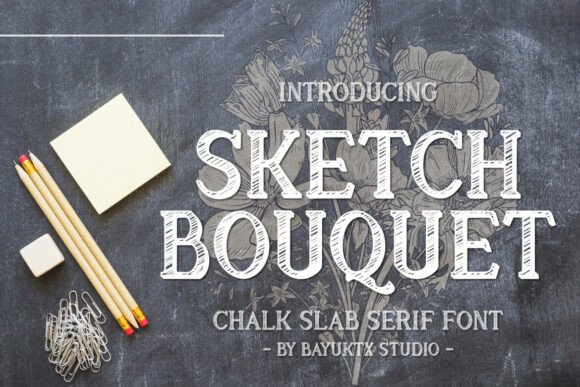
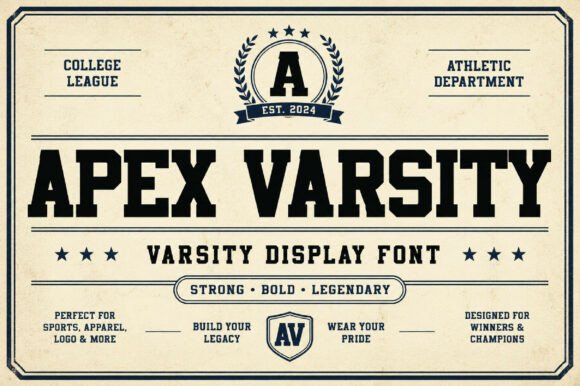
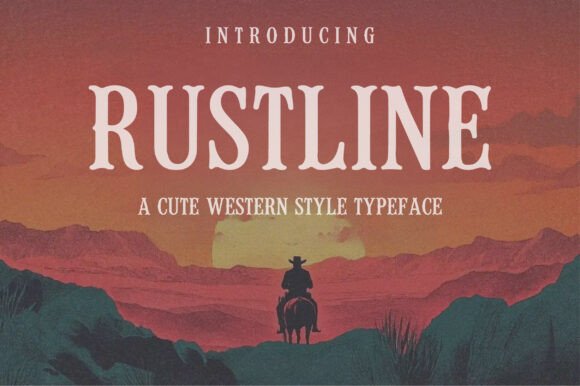
At its core, Rustline is a slab serif font, but it avoids the mechanical coldness of typewriter-style fonts like Courier. Instead, it leans into the warmth of 19th-century wood type. The defining characteristic here is the "slab" itself—the thick, block-like serifs at the ends of the letterforms. These aren't just decorative; they provide a grounding effect, making the text look stable and immovable.
However, what sets this display font apart is its texture and geometry. The letterforms aren't perfectly polished vectors; they possess a subtle ruggedness that mimics ink bleed or wood grain. This gives Rustline a tactile quality. When you look at it, you can almost smell the old print shop. The strokes are bold and consistent, creating a high-impact visual field that works exceptionally well at larger sizes. It’s a creative font designed to be the hero of a layout, not a background player.
Real-World Applications: Where Rustline Shines
Understanding a font’s aesthetic is one thing; knowing where to deploy it is where the real strategy lies. Because Rustline has such a strong voice, it needs the right context to truly resonate. Here is where this vintage typeface performs best:
Branding and Logo Design
For entrepreneurs building a brand identity, especially in specific niches, Rustline is invaluable. It immediately sets a tone of durability and tradition. Think about a craft brewery, a barbershop, an artisanal coffee roaster, or an outdoor apparel line. Using this font for a logo design tells the customer that the brand values craftsmanship and heritage. It suggests that the product is made with care, perhaps by hand. It moves a brand away from the sterile "tech startup" look and anchors it in something tangible.
Packaging and Label Design
If you are working on packaging design, particularly for spirits, hot sauces, or gourmet goods, this font is a natural fit. The "old western" aesthetic translates perfectly to whiskey labels or rustic food packaging. It creates a shelf presence that feels premium yet accessible. Because it is a bold font, it ensures the product name is legible from a distance, which is a critical requirement for retail environments.
Editorial and Publishing
Magazines and blogs focusing on lifestyle, history, or DIY projects can use Rustline for headlines to create a strong visual hierarchy. In editorial design, you need typefaces that hook the reader immediately. A bold slab serif does this job effectively, drawing the eye to the title before the reader even processes the body copy. It’s particularly useful for feature articles or pull quotes where you want to emphasize a specific statement.
Apparel and Signage
The connection to apparel design is obvious. Streetwear, workwear, and vintage-style clothing often rely on typography that looks good printed on cotton or stitched onto a patch. Rustline holds up well on fabric. Similarly, for physical signage—whether for a pop-up shop, a market stall, or a rustic wedding—this font ensures readability while maintaining a stylistic theme.
Strategic Usage: Hierarchy, Pairing, and Readability
Using a display font like Rustline requires a bit of restraint. Because it has so much character, using it for large blocks of body text would be a mistake; the distinct shapes of the letters can become tiring to read over long paragraphs. This is where modern typography strategy comes into play.
Establishing Visual Hierarchy
Use Rustline for your H1 and H2 headers. Its size and weight will naturally establish the top of the hierarchy. Because it commands attention, you can often use a smaller font size than you would with a lighter typeface and still achieve the same impact. This leaves plenty of room for your secondary information to breathe.
Font Pairing Strategies
The most effective way to use a slab serif font is to pair it with a contrasting companion. You generally want to avoid pairing it with another heavy serif, as the two will compete for attention.
- The Classic Sans Serif: Pairing Rustline with a clean, geometric sans serif font (like Montserrat or Roboto) creates a perfect balance. The slab serif provides the personality, while the sans serif provides clarity for body text.
- The Handwritten Touch: If you want to lean into the artisanal vibe, consider pairing it with a script font or handwritten font. Use the script font sparingly for accents (like "The" or "&") to add a human touch to the industrial strength of Rustline.
Readability and Color
When working with Rustline, contrast is your friend. This font looks its best in high-contrast scenarios—black text on a cream background, or white text on a dark wood texture. Avoid placing it on busy photographic backgrounds without a solid color overlay, as the rugged edges of the letters can get lost in visual noise.
Practical Considerations for Designers
Before you download and install, there are a few technical and practical points to consider to ensure a smooth workflow.
- Licensing and Commercial Use: Always verify the licensing terms. If you are using Rustline for a client's logo or a product that will be sold, you need a commercial font license. Ensure the license covers the scope of your project, whether it's for digital goods (like an eBook) or physical merchandise (like t-shirts).
- Reviewing Included Styles: Check if the font family includes variations. Does it come with a bold or condensed version? Having multiple weights allows you to create a more nuanced hierarchy while keeping the style consistent. A "Rustline Bold" might be perfect for a headline, while a "Rustline Regular" could work for sub-headers.
- Testing on Your Medium: Don't just design in a vacuum. If you are building a website, test how the web font renders across different browsers and screen sizes. If you are designing for print, print a test sheet. The way ink interacts with paper can change how the font's texture looks.
Adding Timeless Character
In a landscape saturated with minimalistic, geometric sans serifs, choosing a font with history can be a bold move. Rustline offers a bridge between the past and the present. It allows designers and creators to inject a sense of narrative and durability into their work. Whether you are crafting a brand identity for a new venture or redesigning a magazine cover, this typeface provides the tools to make a statement that feels both strong and stylish. It’s not just about looking retro; it’s about using vintage typography to build trust and recognition in a modern world.